Reviews Lesson 6.4. Reviews Lesson 6.4, the twenty dollar comparison from Handout 06.04 Part 3 and the two definitions from Part 1, and it is assessed on the Food Systems Quiz item 7. Play it after the lesson, not before, and keep the three rules from the top of the lesson: the start panel says the neighborhood is made up and nobody is being described, nothing in the game asks about a player's own house, and the tone is a problem to solve. Round 1 usually passes on the first try; round 2 is the point, because the only vegetable at Corner Mart is a can of corn and the check tells the player so. The two sample carts in the teacher key are printed in the end panel. Do not ask for scores out loud on this one; it is a tap game about a neighborhood on paper, and it stays that way.
Twenty Dollar Dinner
Item cards with prices from Fresh Foods Supermarket. Tap items into your cart, watch the total, and press CHECK to pass the rules. Then do it again at Corner Mart with the same rules and the same twenty dollars.
How to play
- Everything in this handout is made up for class. The neighborhood is not a real place. Nobody is being described here. You are shopping for one dinner for a family of four. You have $20.
- The tags are game rules built from the lesson's meal parts (a protein, a grain, a vegetable, a fruit, from Lesson 6.2 and the key's sample carts). The item names, sizes, and prices are the handout's exactly.

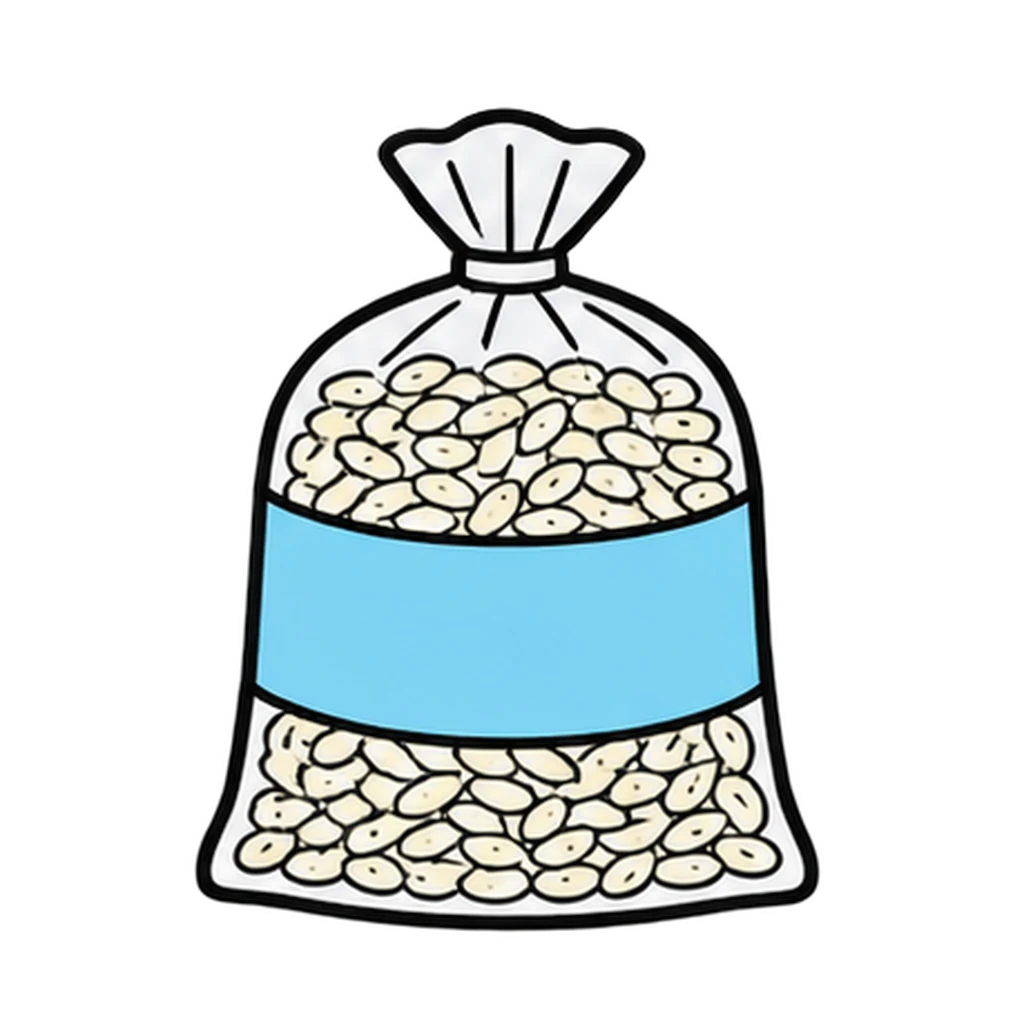


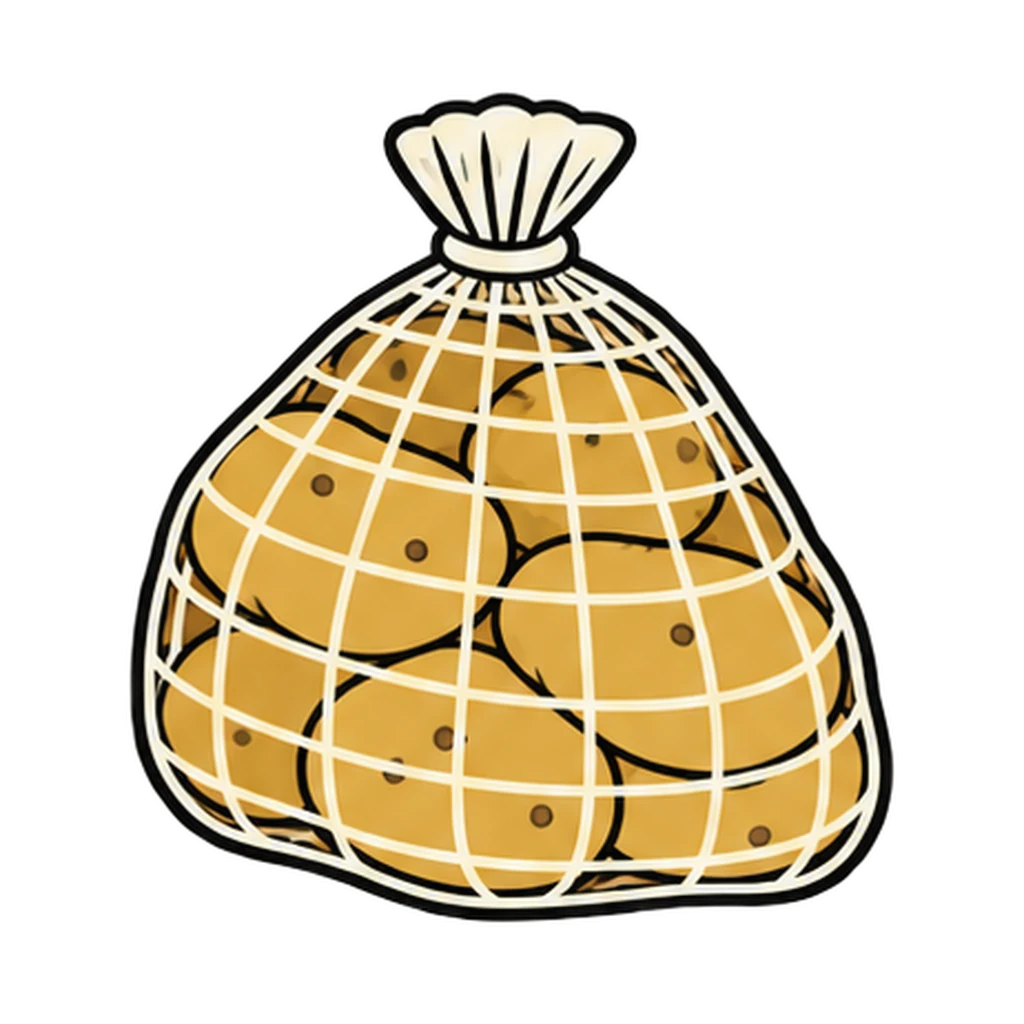


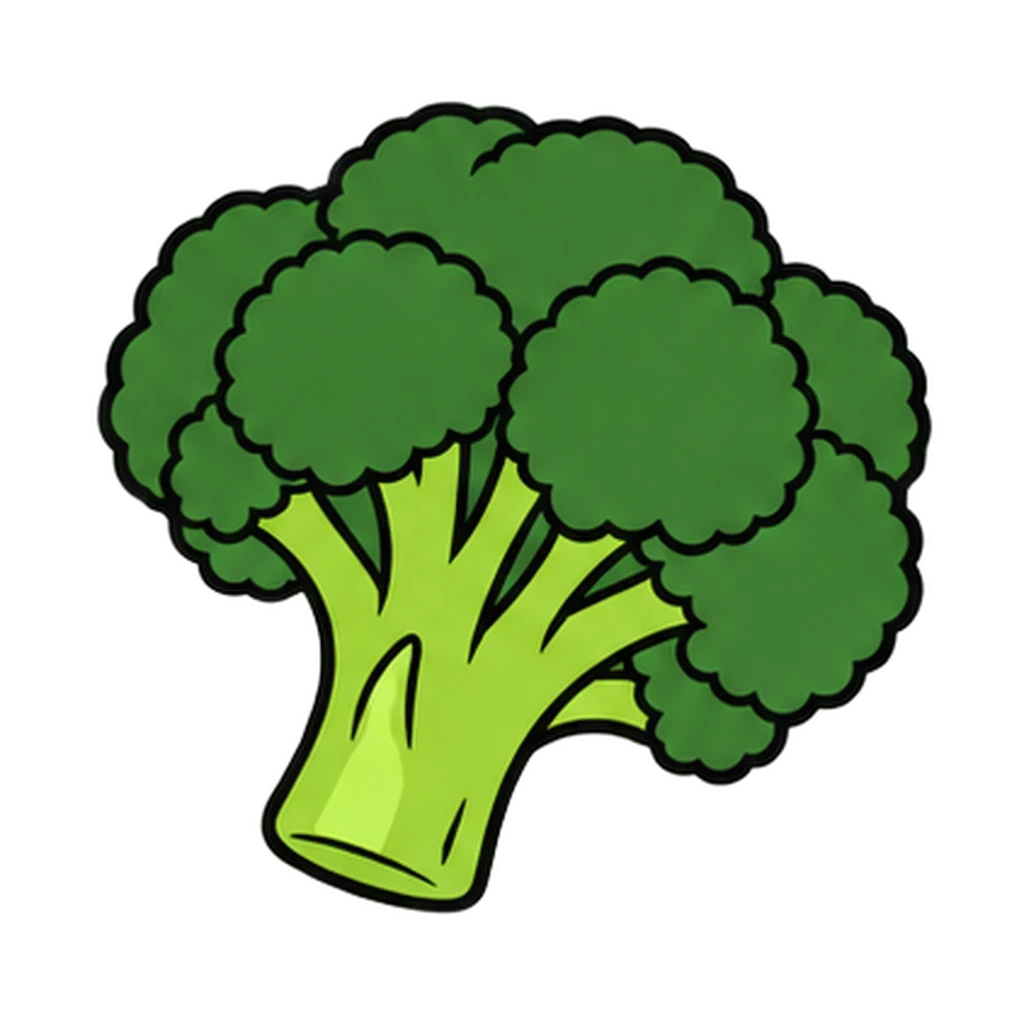
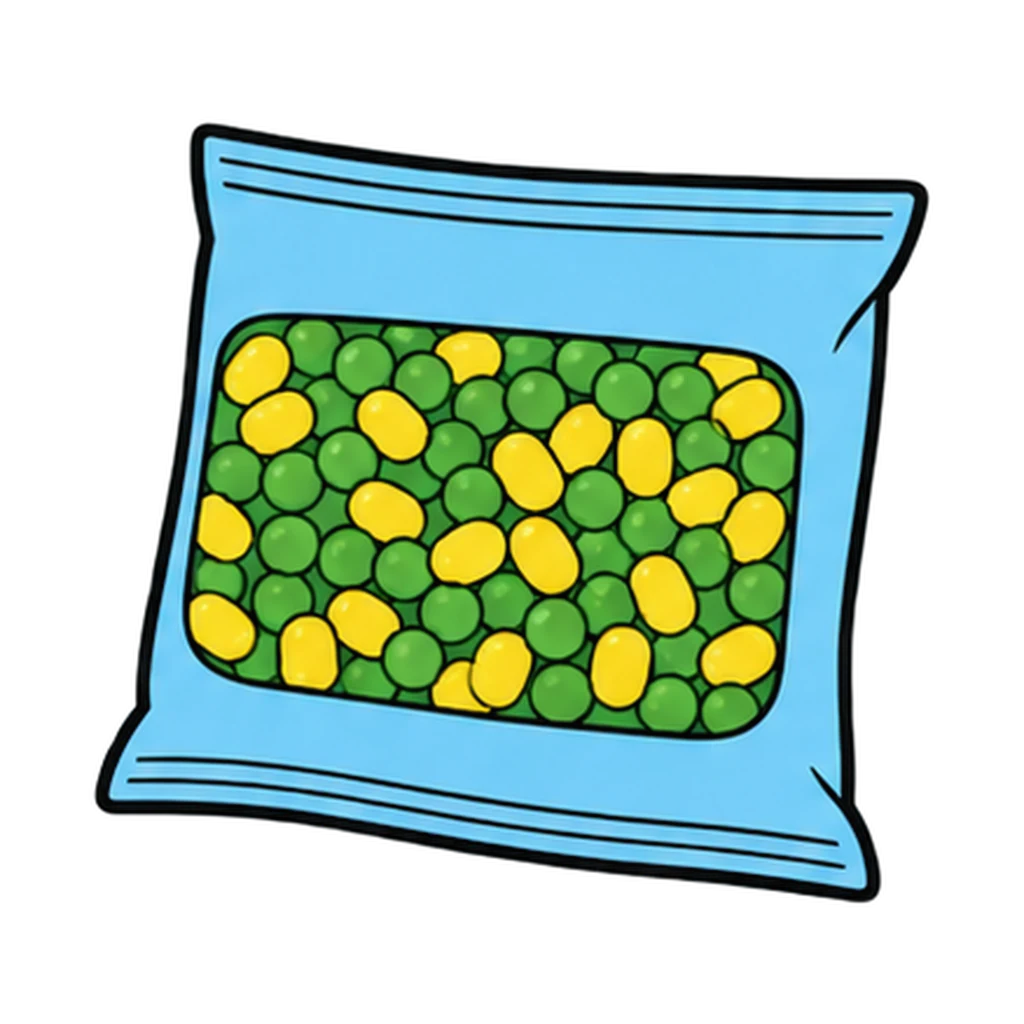

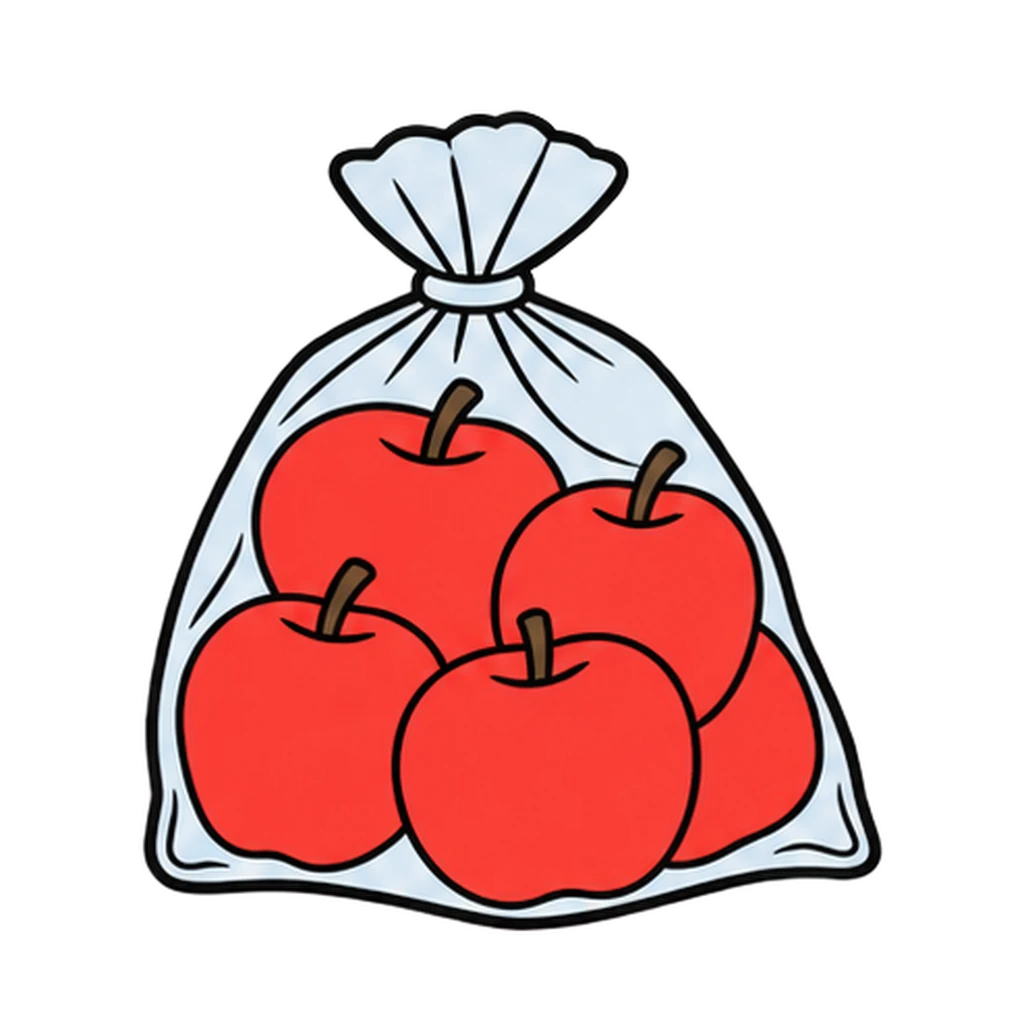

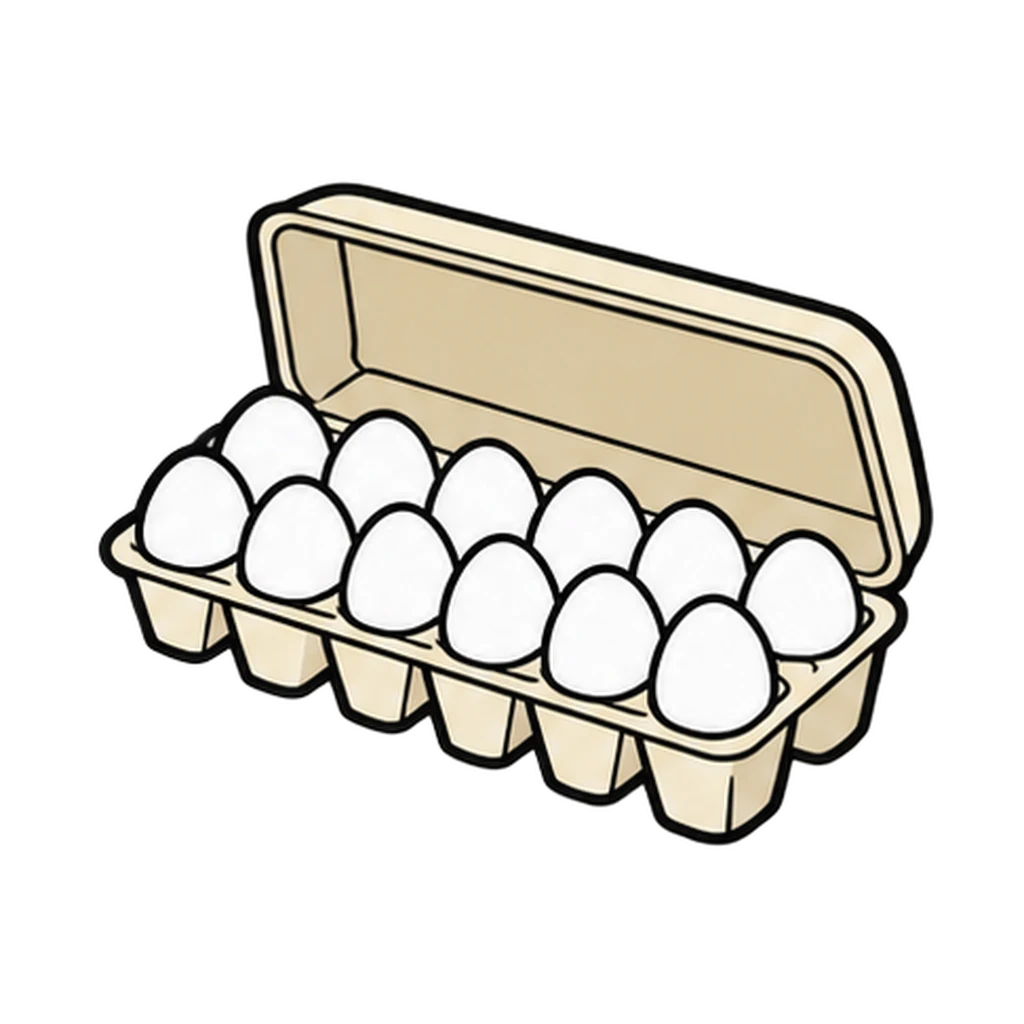
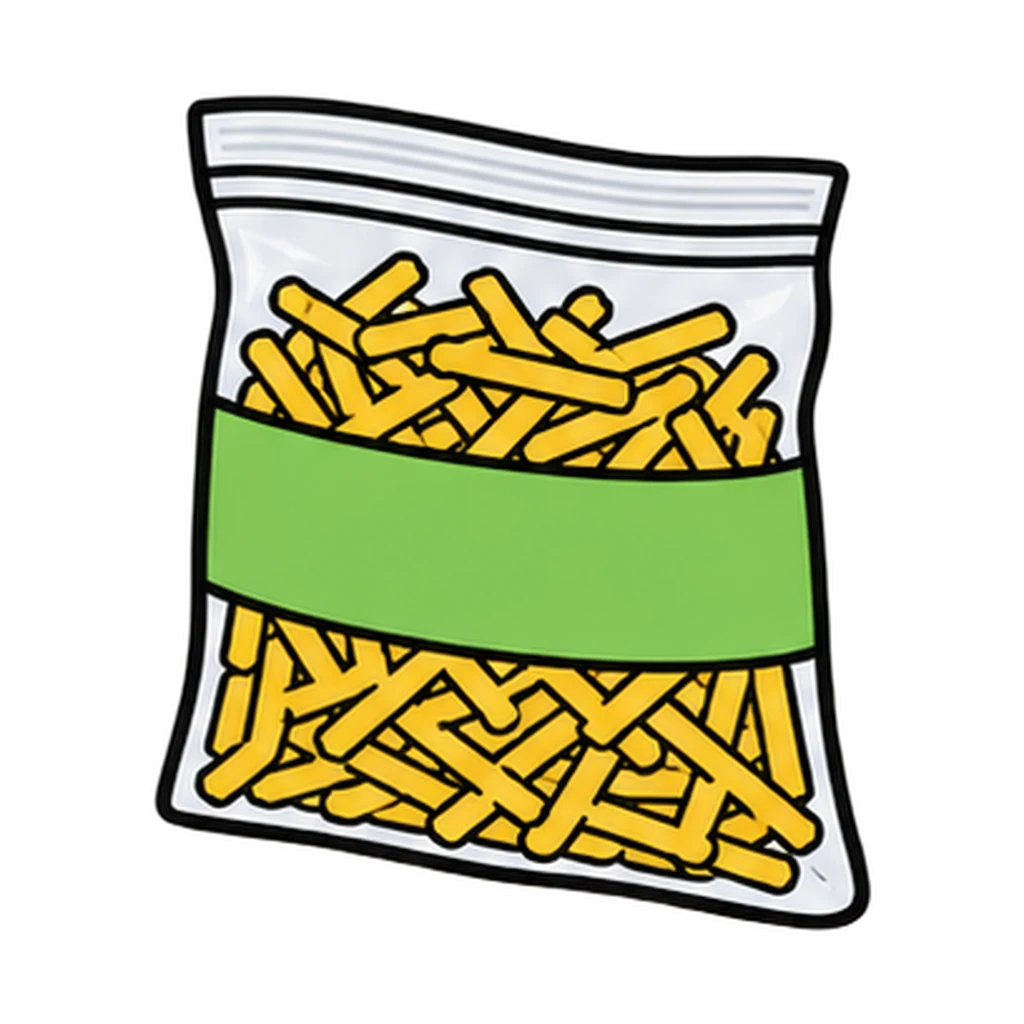
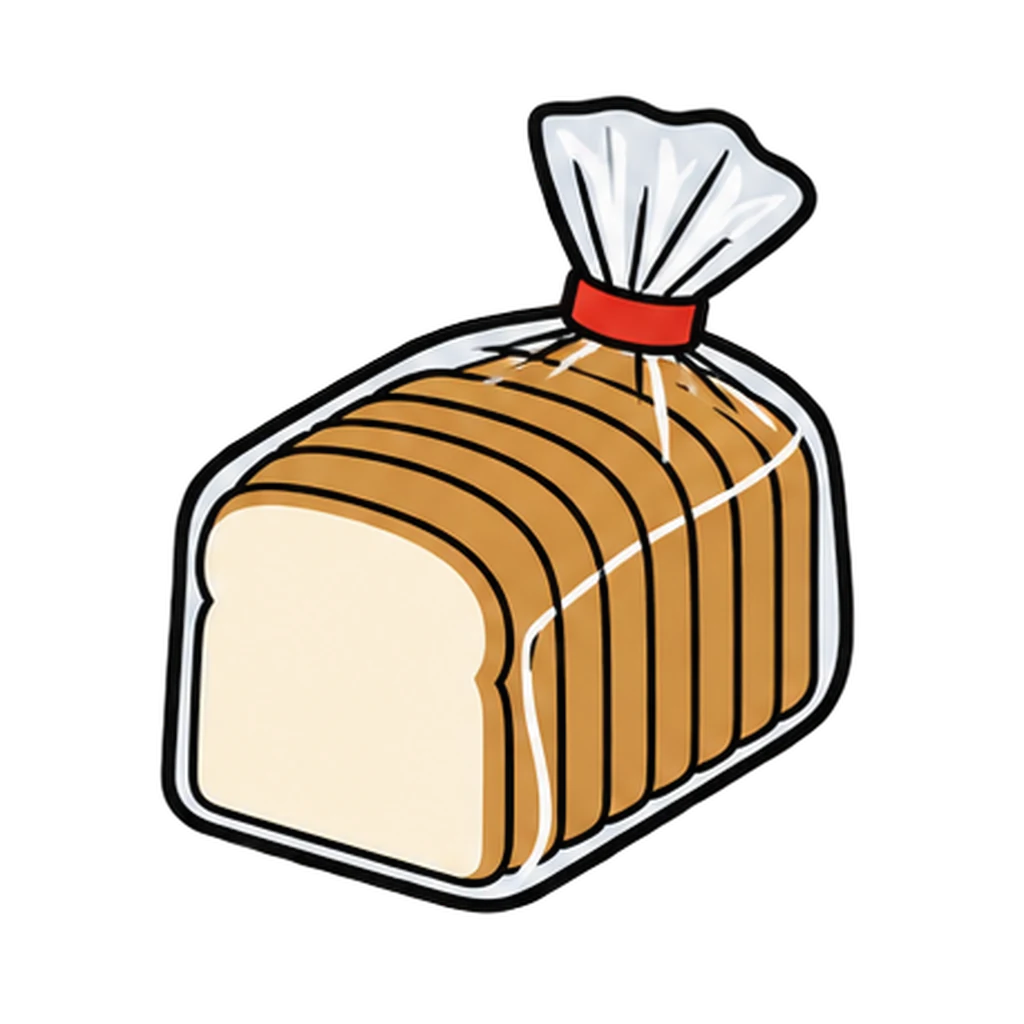













Done
The ones to study:
Worth knowing by heart:
- Two families have the same twenty dollars. Why does one of them eat better than the other?
- Having enough food is not only about money. It is also about distance, transportation, time, and what the nearest store actually stocks.
- The five community responses: food pantries, SNAP and WIC, community gardens, mobile markets, and school meals.